Interstitial Cystitis: Symptoms, Causes, and Treatments to Improve Quality of Life
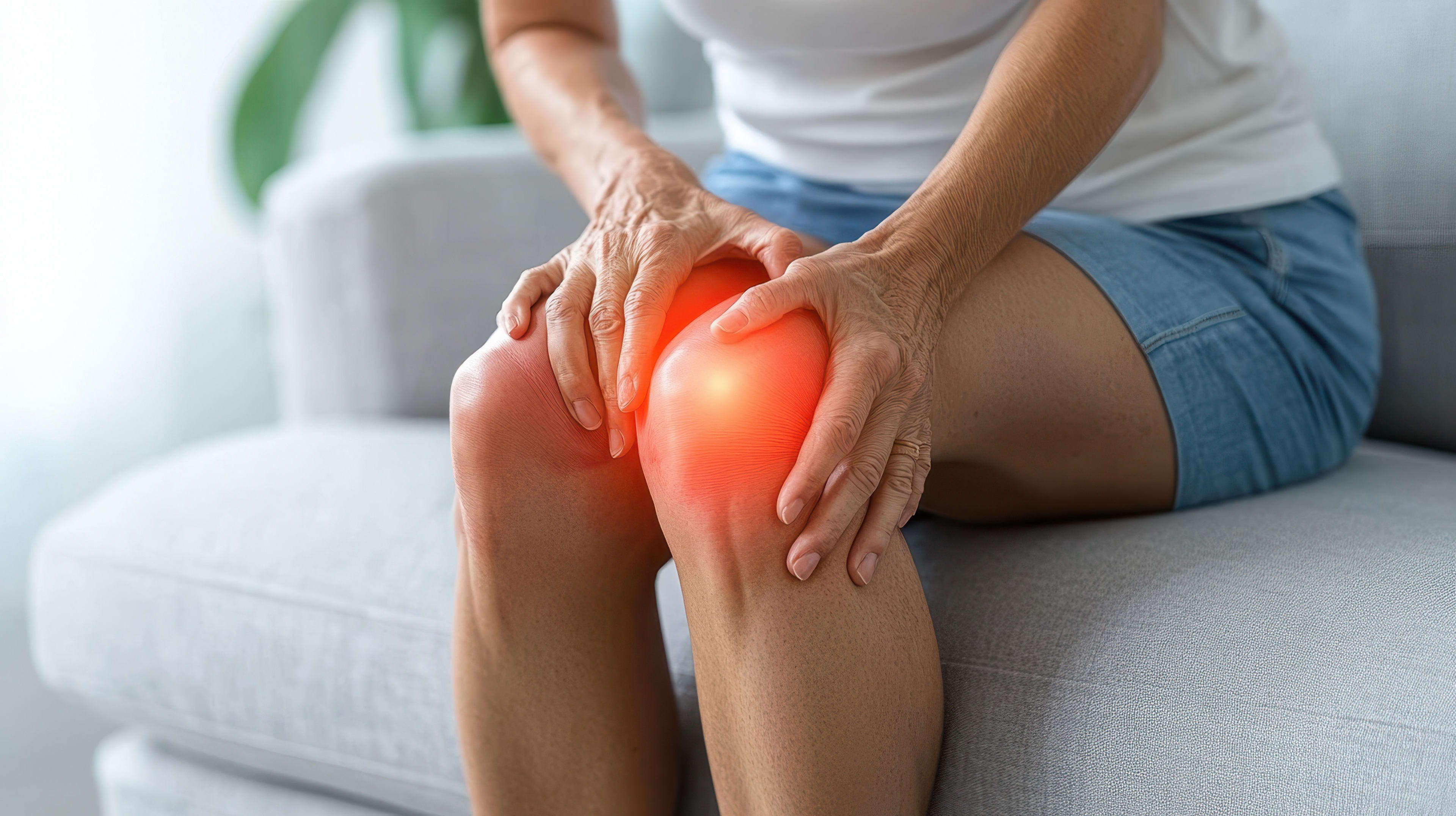
Painful Bladder Syndrome (PBS), also known as Interstitial Cystitis (IC), is a chronic condition characterized by bladder pressure, bladder pain, and sometimes pelvic pain.
Written by health professionals
6 min read

Contents
- Exploring the Causes and Risk Factors of Interstitial Cystitis
- Symptoms and Diagnosis of Interstitial Cystitis
- Effective Treatments for Interstitial Cystitis
- Lifestyle Changes
- Medications
- Physical Therapy
- Bladder Distention
- Nerve Stimulation
- Surgery
- Daily Management Tips for Interstitial Cystitis
- Interstitial Cystitis and Mental Health: Managing the Emotional Impact of a Chronic Condition
- Conclusion: Understanding and Managing Interstitial Cystitis to Improve Quality of Life
Painful Bladder Syndrome (PBS), also known as Interstitial Cystitis (IC), is a chronic condition characterized by bladder pressure, bladder pain, and sometimes pelvic pain. Symptoms vary from person to person but often include frequent urination, painful intercourse, and lower abdominal pain. IC is multifactorial and often frustrating due to the lack of a clear identifiable cause, unlike common bacterial cystitis.
Exploring the Causes and Risk Factors of Interstitial Cystitis
The exact cause of Interstitial Cystitis (IC) remains a mystery, making diagnosis and treatment challenging. However, researchers have identified several potential risk factors, including immune responses, genetic predispositions, bladder wall defects, infections, and hypersensitivity. Some studies suggest a genetic basis for IC, with ongoing research exploring specific genes involved. Other researchers propose that IC may be an autoimmune disease, citing the presence of antibodies against bladder cells in IC patients. This could allow irritants in the urine to penetrate through a defective bladder lining (the glycosaminoglycan or GAG layer), leading to inflammation, pain, and bladder wall damage. Although bacterial infections do not cause IC, some patients report its onset after a urinary tract infection (UTI), suggesting that infections may trigger IC in genetically predisposed individuals. Additionally, a history of allergies in some IC patients indicates a possible allergic component to the condition. IC is far more common in women than men, with a 5:1 ratio, and it most frequently affects people between the ages of 30 and 40, though it can occur at any age. A link between IC and other chronic pain conditions is often observed, including fibromyalgia, irritable bowel syndrome (IBS), and migraines. Lifestyle factors like stress and dietary habits can also influence IC symptoms. Understanding these causes and risk factors is key to developing preventive strategies and targeted treatments. While the precise cause remains unknown, ongoing research offers hope for the development of effective management options in the future.
Symptoms and Diagnosis of Interstitial Cystitis
Symptoms include chronic pelvic pain, frequent urination, and discomfort during urination. Patients often describe the pain as a burning sensation or a dull ache, ranging from mild discomfort to intense pain. Some may wake up as many as sixty times a night just to urinate. In women, IC-related pain is often worsened by menstruation, stress, and activities such as prolonged sitting. Some people experience discomfort during sexual intercourse, which can lead to a loss of libido. Diagnosing IC can be particularly challenging due to the wide variety of symptoms and their differing severity. Urodynamic tests, a diagnostic procedure that assesses bladder and surrounding muscle function, can provide valuable insight into the urinary system. While there’s no definitive test for IC, a combination of a thorough clinical exam and specialized diagnostic tests is typically used to confirm the diagnosis. Early and accurate diagnosis is crucial to improving the quality of life for IC sufferers. Lab tests, such as urinalysis and urine cultures, help rule out infections and other urinary tract problems. Visual investigations can be performed to exclude structural abnormalities that could explain the symptoms. A detailed patient history of urinary symptoms and pain is essential for distinguishing IC from conditions like irritable bowel syndrome (IBS) and endometriosis. A pelvic exam is also typically conducted. The actual state of the bladder can be analyzed through imaging studies to detect issues like bleeding or Hunner’s ulcers. A cystoscope is used to examine the bladder lining deeply for abnormalities.
Effective Treatments for Interstitial Cystitis
The unpredictable nature of interstitial cystitis symptoms and the lack of a defined cause can make treatment challenging. However, several treatment options are available to improve quality of life and manage symptoms. Treatment is often multimodal, including medications, physical therapy, lifestyle changes, and other interventions tailored to the patient's specific needs.
Lifestyle Changes
Many patients find symptom relief by avoiding bladder-irritating foods and drinks like caffeine, alcohol, spicy foods, and citrus fruits. Keeping a food diary can help pinpoint and eliminate specific triggers. Stress management techniques, such as mindfulness, meditation, and regular exercise, can also reduce symptom flare-ups.
Medications
A variety of medications are used to alleviate IC symptoms. Oral medications like pentosan polysulfate sodium (Elmiron) are believed to repair the bladder lining. Antihistamines, such as hydroxyzine, can reduce inflammation and urinary frequency. Tricyclic antidepressants like amitriptyline may be prescribed to relieve pain and improve sleep.
Physical Therapy
Pelvic floor physical therapy helps many IC patients, especially those with pelvic floor dysfunction. Physical therapists can teach relaxation techniques and exercises to strengthen pelvic muscles, reducing pain and improving bladder control.
Bladder Distention
Filling the bladder with water to stretch it may provide temporary relief for some individuals. The exact mechanism is unclear, but this procedure can ease pain and increase bladder capacity.
Nerve Stimulation
Sacral nerve stimulation and percutaneous tibial nerve stimulation (PTNS) help relieve pain and improve bladder function. These methods may be beneficial for patients who do not respond to other treatments.
Surgery
Surgery is considered a last resort for severe IC cases that have not responded to other treatments. Surgical options include bladder augmentation, urinary diversion, and, in extreme cases, bladder removal. These risky procedures are only recommended when all other options have failed.
Daily Management Tips for Interstitial Cystitis
Effective therapy for Interstitial Cystitis (IC) can significantly improve the quality of life. Avoiding or limiting caffeine, alcohol, citrus, tomatoes, spicy foods, and artificial sweeteners while staying well-hydrated with water and herbal teas may help manage IC symptoms. Since stress worsens symptoms, practices like mindfulness meditation, deep breathing, yoga, and progressive muscle relaxation are essential. Working with a physical therapist specializing in pelvic floor therapy can help strengthen and relax pelvic muscles, relieving discomfort. Bladder training, which involves gradually increasing the time between urinations, can improve bladder capacity and reduce urinary urgency. For mild pain, over-the-counter pain relievers like acetaminophen or ibuprofen may be used. Prescription medications or nerve blocks may be necessary for more severe pain. Applying heat or cold to the pelvic area may also provide relief. Online and in-person support groups offer invaluable emotional and practical help. Avoid tight belts and clothing around the waist; loose-fitting clothes can reduce bladder and pelvic discomfort. IC symptoms can disrupt sleep, so establishing a regular sleep schedule and creating a restful sleep environment is important. Keeping a symptom diary to track flare-ups, diet, activities, and stress can help healthcare providers identify patterns and adjust treatment accordingly. Regular check-ups are essential for monitoring disease progression and adjusting medications. These strategies can help IC patients better manage their symptoms and improve their overall well-being. Specific techniques and regular self-care are key.
Interstitial Cystitis and Mental Health: Managing the Emotional Impact of a Chronic Condition
Interstitial Cystitis (IC) can significantly affect mental health due to its chronic nature and recurring symptoms. The unpredictable urgency, pelvic pain, and flare-ups can lead to anxiety and stress. Anxiety can also affect work and social interactions, leading to isolation. Emotional endurance can decline as persistent symptoms go unresolved, causing individuals to avoid social contacts and experience a drop in self-esteem, impacting every aspect of their lives. The pain associated with IC, coupled with the emotional burden of managing a chronic condition, can also strain intimate relationships, leading to communication issues and requiring lifestyle adjustments. Reducing stress and engaging in relaxing activities can help break this vicious cycle. People with anxiety or depression often perceive pain more intensely and struggle to manage it. Consulting with a counselor to discuss IC-related issues and address the emotional and physical aspects of the condition can be highly beneficial. Managing both sides is crucial for improving the quality of life for IC patients and their loved ones.
Conclusion: Understanding and Managing Interstitial Cystitis to Improve Quality of Life
In conclusion, Interstitial Cystitis (IC) is a chronic condition marked by frequent urination, pelvic pain, and bladder discomfort. Although its exact cause remains unknown, possible factors include allergies, infections, genetics, autoimmune disorders, or bladder lining issues. A precise diagnosis can be made by ruling out other conditions through a thorough medical exam, lab tests, imaging studies, and cystoscopy. Treatment for IC involves a combination of lifestyle changes, medications, physical therapy, and sometimes surgery, along with psychological support
Sources and references
- https://www.mayoclinic.org/diseases-conditions/interstitial-cystitis/symptoms-causes/syc-20354357
- https://www.nhs.uk/conditions/interstitial-cystitis/
- https://www.kidney.org/atoz/content/interstitial
- https://my.clevelandclinic.org/health/diseases/15735-interstitial-cystitis-painful-bladder-syndrome
- https://www.niddk.nih.gov/health-information/urologic-diseases/interstitial-cystitis-painful-bladder-syndrome
This article is for information only and does not replace advice from a health professional.